Dot Voting
Narrow a long list quickly and visibly, with equal voice.
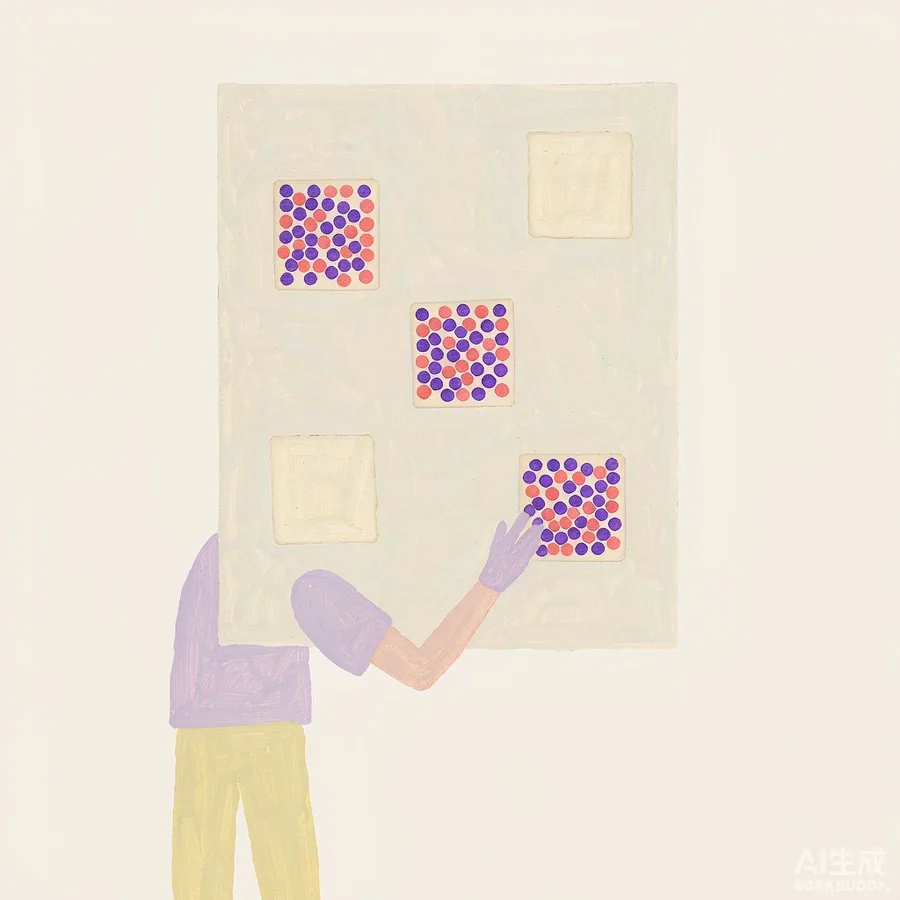
A fixed number of dots each, placed silently, then counted and discussed. It converts a long list into a shortlist without a meeting about the list.
Time
15-20 min
Group
4-20
Output
A ranked shortlist
Move
Decide
Run sheet
How to run it
5 steps · 15-20 min
- 01
Display all the options
- 02
Give each person a fixed number of dots
- 03
Vote silently
- 04
Count and discuss the outliers before confirming
- 05
Name the shortlist and what happens next
Say this
Lines you can read out as they are — no improvising under pressure.
“You have five dots, and you may put them all on one option or spread them as you like”
“Vote first and discuss after, with no advocacy during the vote”
“Look at the top three and tell us what they have in common”
Set up
Before they walk in
- □All options visible at once on one wall or board
- □Dots or markers of one colour, the same for everyone
- □A written rule stating how many dots each person gets
What to watch for
Signals and traps
It is working when
- a clear top cluster plus an honest surprise at the bottom
It usually fails when
- the loudest person campaigns while others are still voting
- ties get resolved by seniority instead of by a second criterion
If it stalls, or the room is the wrong size
Variations
Use different dot sizes for must and should
Silent gallery walk first if the group has not read every option
Remote: emoji reactions on a board, counted the same way
Background
Where it comes from
Common in design sprints and workshop practice, and described in Sprint. Silent voting matters because public voting produces bandwagons, and the discussion of outliers afterwards is where the judgement actually happens.
Cautions
When it does more harm than good
- Silent voting
- A fixed number of dots, and allow stacking
- Discuss the outliers before confirming the shortlist
When to use
Reach for it when…
You have more options than time
Discussion is dominated by a few voices
Source
Knapp, J., Zeratsky, J., & Kowitz, B. (2016). Sprint. Simon & Schuster.
Source phase: My methods (Kumar). Steps and the run sheet are written for this library, not quoted from the source.
Pairs well with