Audience Journey
Map how an audience encounters and adopts the idea over time.
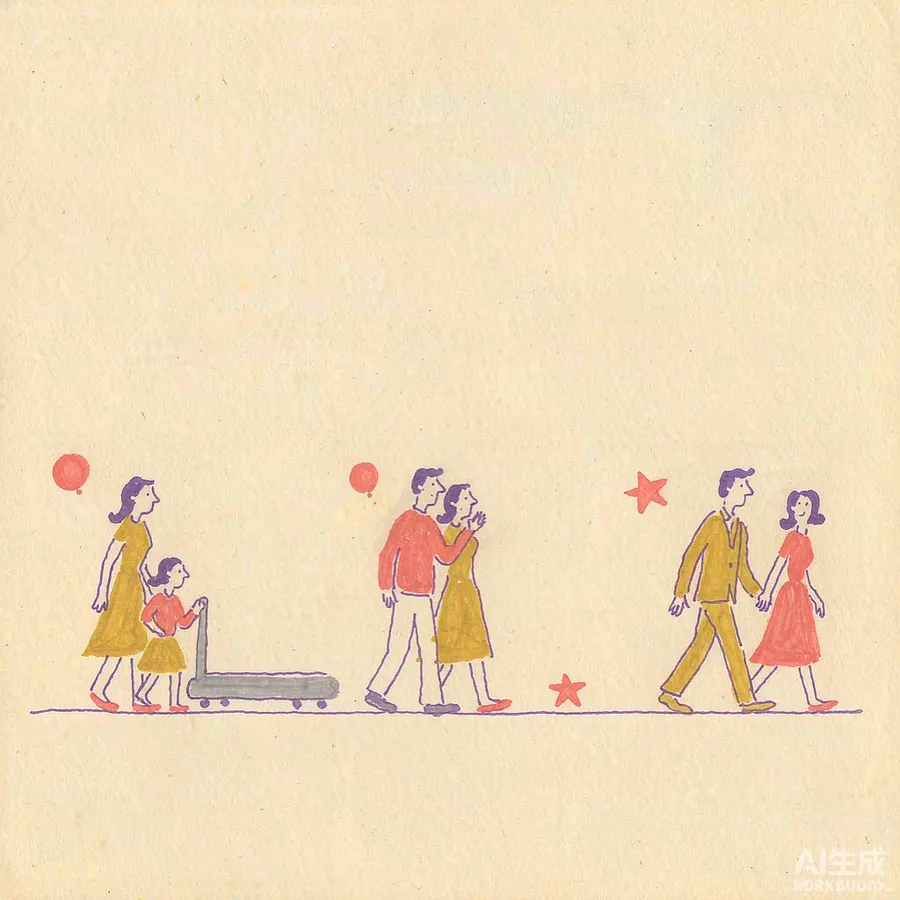
The moments each audience meets the idea, and what they need at each moment. It replaces the single launch message with a sequence.
Time
2-3 hours
Group
3-6
Output
An audience journey map
Move
Synthesize
Run sheet
How to run it
4 steps · 2-3 hours
- 01
Define the audiences
- 02
Map the moments they meet the idea
- 03
Note what they need at each moment
- 04
Design the communication for each moment
Say this
Lines you can read out as they are — no improvising under pressure.
“When does this audience first hear about it, and from whom?”
“What do they need to be able to do after that moment?”
“Who hears last, and should they?”
Set up
Before they walk in
- □The audiences named, including the ones who will resist
- □The moments each meets the idea, in order
- □What each needs at that moment
What to watch for
Signals and traps
It is working when
- the frontline turns out to hear after the customers
It usually fails when
- channel planning disguised as journey planning
- one message reused at every moment
If it stalls, or the room is the wrong size
Variations
Map only the two audiences that decide adoption
Walk one real person's sequence
Add the moment after launch, which is usually unplanned
Background
Where it comes from
From Kim Erwin's Communicating the New. Different audiences meet the same idea at different stages of their own understanding, so a message that works for the sponsor will be premature for the frontline and late for the sceptic.
Cautions
When it does more harm than good
- Name the moment, not the channel
- Each moment needs one thing only
- The frontline usually hears last, which is the wrong order
When to use
Reach for it when…
A launch is planned
Different audiences get one message
Source
Erwin, K. (2013). Communicating the New. Wiley.
Source phase: My methods (Kumar). Steps and the run sheet are written for this library, not quoted from the source.