Sprint Storyboard
Storyboard the prototype before building it.
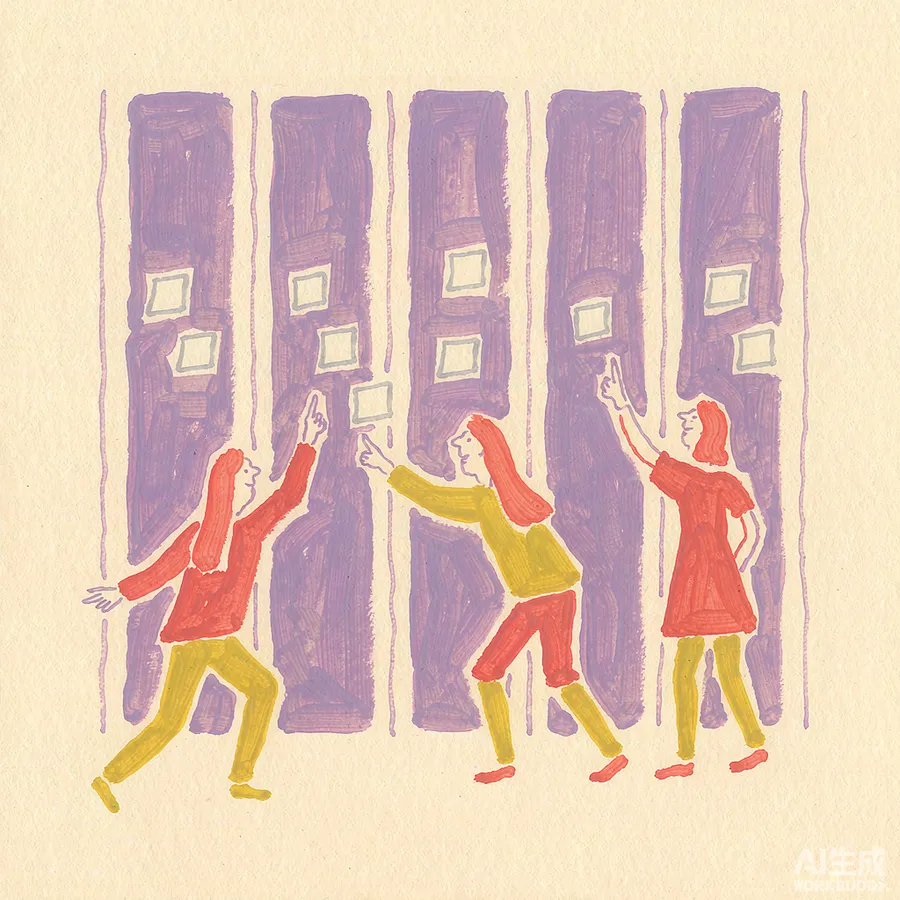
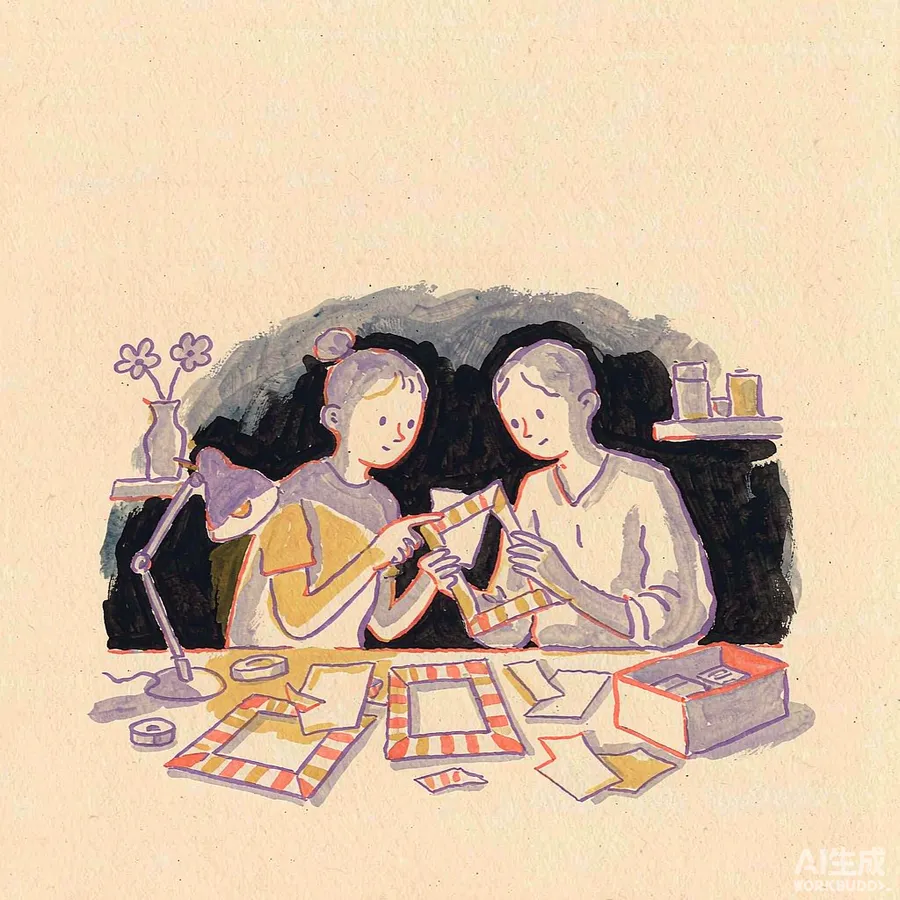
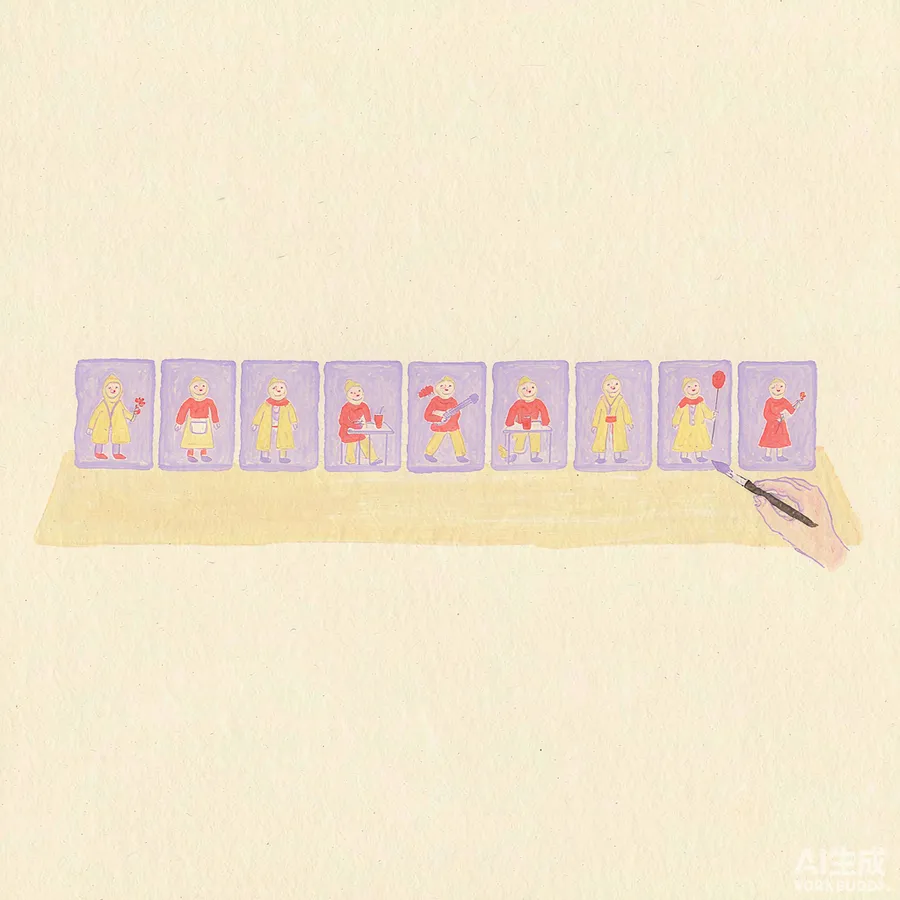
Ten to fifteen frames showing the critical path of the experience, drawn before anything is built. It is how a team discovers it has been imagining different products.
Time
2 hours
Group
4-7
Output
A storyboard that guides the build
Move
Prototype
Run sheet
How to run it
4 steps · 2 hours
- 01
Choose the critical moment of the experience
- 02
Sketch ten to fifteen frames
- 03
Add captions
- 04
Review and agree the flow
Say this
Lines you can read out as they are — no improvising under pressure.
“What is the moment where this could fail?”
“Who is the person in frame one, and what do they want?”
“What happens between these two frames?”
Set up
Before they walk in
- □The winning sketch chosen and on the wall
- □A grid of ten to fifteen frames
- □A rule that anyone can object to a frame
What to watch for
Signals and traps
It is working when
- two people have drawn incompatible versions of the same moment
It usually fails when
- a storyboard that is really a feature list
- more than fifteen frames
If it stalls, or the room is the wrong size
Variations
Draw it only from the user's point of view
Draw the failure path as a second board
Have the decider draw frame one
Background
Where it comes from
From Knapp, Zeratsky and Kowitz's Sprint, where Wednesday ends with a storyboard that fixes what Thursday will build. The frames are deliberately crude, because detail invites argument about the drawing rather than the flow.
Cautions
When it does more harm than good
- One frame per moment that could go wrong
- If two people draw the same frame differently, stop and resolve it
- Fifteen frames is the ceiling — beyond that it is a specification
When to use
Reach for it when…
You are planning the prototype
The team disagrees on the flow
Source
Knapp, J., Zeratsky, J., & Kowitz, B. (2016). Sprint. Simon & Schuster.
Source phase: My methods (Kumar). Steps and the run sheet are written for this library, not quoted from the source.