Service Blueprint
Map the service across frontstage backstage and support.
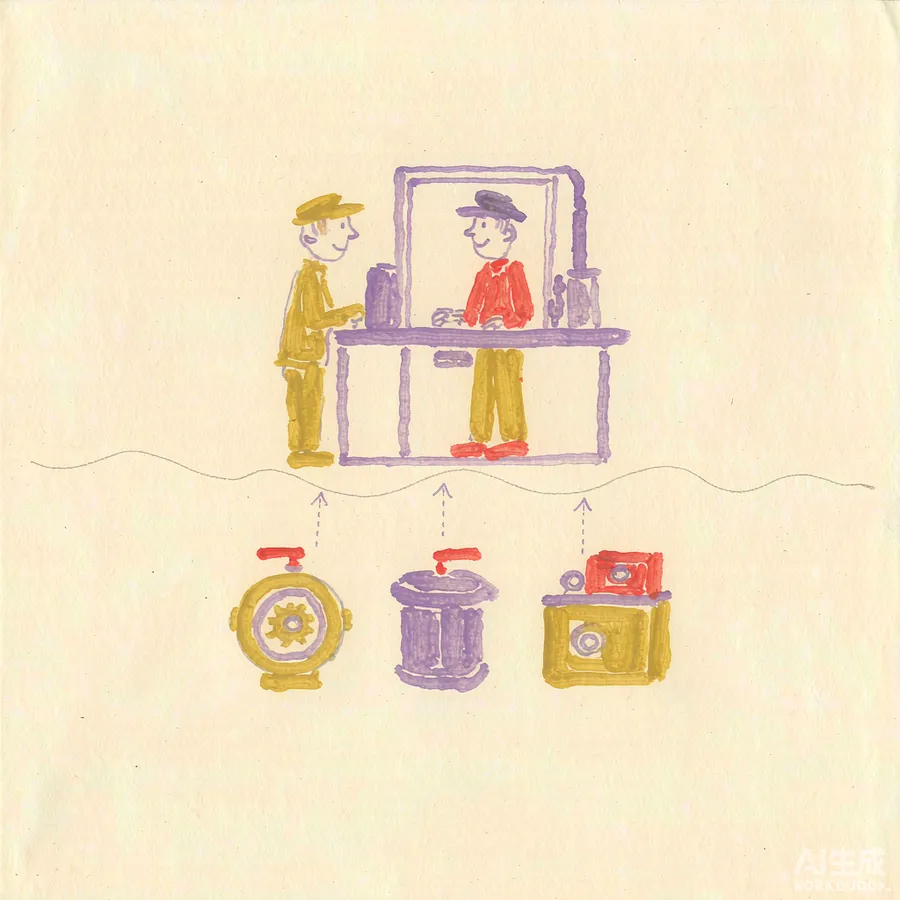
The customer journey drawn above the line and the backstage actions, systems and support processes below it. It is the only map that shows why a front-stage promise is expensive to keep.
Time
half day
Group
4-8
Output
A service blueprint
Move
Synthesize
Run sheet
How to run it
4 steps · half day
- 01
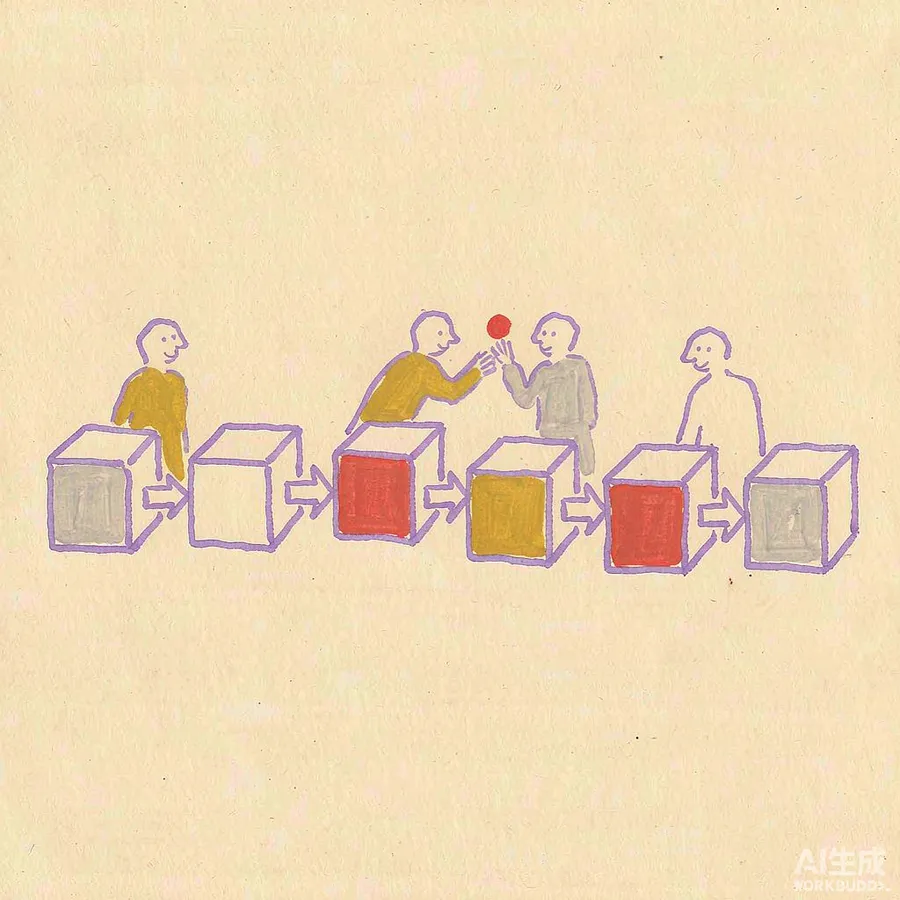
Map the customer journey frontstage
- 02
Map the backstage actions
- 03
Note the support processes
- 04
Identify the failure points
Say this
Lines you can read out as they are — no improvising under pressure.
“What has to happen backstage for this moment to work?”
“Which system is the weakest link?”
“Where does the customer wait because of an internal handoff?”
Set up
Before they walk in
- □A journey map from real research as the top band
- □The staff, systems and processes behind each step
- □A line of visibility drawn across the middle
What to watch for
Signals and traps
It is working when
- a backstage failure explains a front-stage complaint
It usually fails when
- only the visible journey mapped
- systems omitted because nobody in the room owns them
If it stalls, or the room is the wrong size
Variations
Blueprint one failure case rather than the happy path
Add the time each backstage step takes
Do it with operations and design in the same room
Background
Where it comes from
Introduced by G. Lynn Shostack in 1984 and turned into a design staple by Stickdorn and Schneider's This Is Service Design Thinking. The line of visibility is the analytical device: everything below it is what the customer never sees and always feels.
Cautions
When it does more harm than good
- Map the failures, not only the flow
- Name the systems that break, not just the team that fixes them
- A blueprint without a backstage owner is a poster
When to use
Reach for it when…
You are designing a service
Operations and design need to align
Source
Stickdorn, M., & Schneider, J. (2010). This Is Service Design Thinking. BIS Publishers.
Source phase: My methods (Kumar). Steps and the run sheet are written for this library, not quoted from the source.