Message Map
Agree the one message and the proof points before communicating.
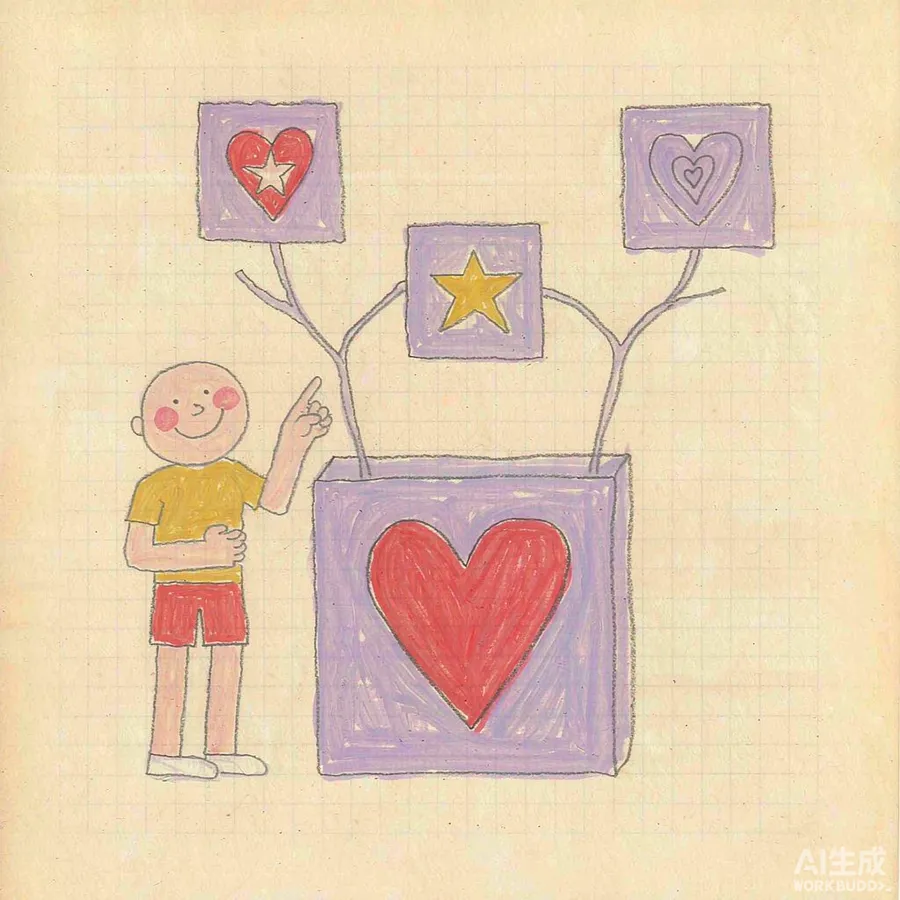
One key message, three supporting points and the evidence for each, on a page. It exists so that ten people tell the same story.
Time
90 min
Group
2-5
Output
A one-page message map
Move
Decide
Run sheet
How to run it
4 steps · 90 min
- 01
State the single key message
- 02
List the three supporting points
- 03
Add the evidence for each
- 04
Test it on someone outside the team
Say this
Lines you can read out as they are — no improvising under pressure.
“What is the one thing they must remember?”
“What evidence would make a sceptic pause?”
“Which of these three could be dropped without losing the argument?”
Set up
Before they walk in
- □The key message in one sentence
- □Three supporting points with one piece of evidence each
- □Someone outside the team to test it on
What to watch for
Signals and traps
It is working when
- the outside reader repeats the key message back nearly verbatim
It usually fails when
- a key message with two clauses
- supports that are features
If it stalls, or the room is the wrong size
Variations
Build the map for the most hostile audience
Test it as a spoken thirty-second version
Laminate it and check whether people actually use it
Background
Where it comes from
From Kim Erwin's Communicating the New. The map is a constraint device: if a supporting point needs three caveats, the key message is wrong rather than the point.
Cautions
When it does more harm than good
- The key message must be one sentence
- Three supports, each with one piece of evidence
- Test by asking someone to repeat it back
When to use
Reach for it when…
Stakeholders keep misquoting the work
A launch needs alignment
Source
Erwin, K. (2013). Communicating the New. Wiley.
Source phase: My methods (Kumar). Steps and the run sheet are written for this library, not quoted from the source.