Interaction
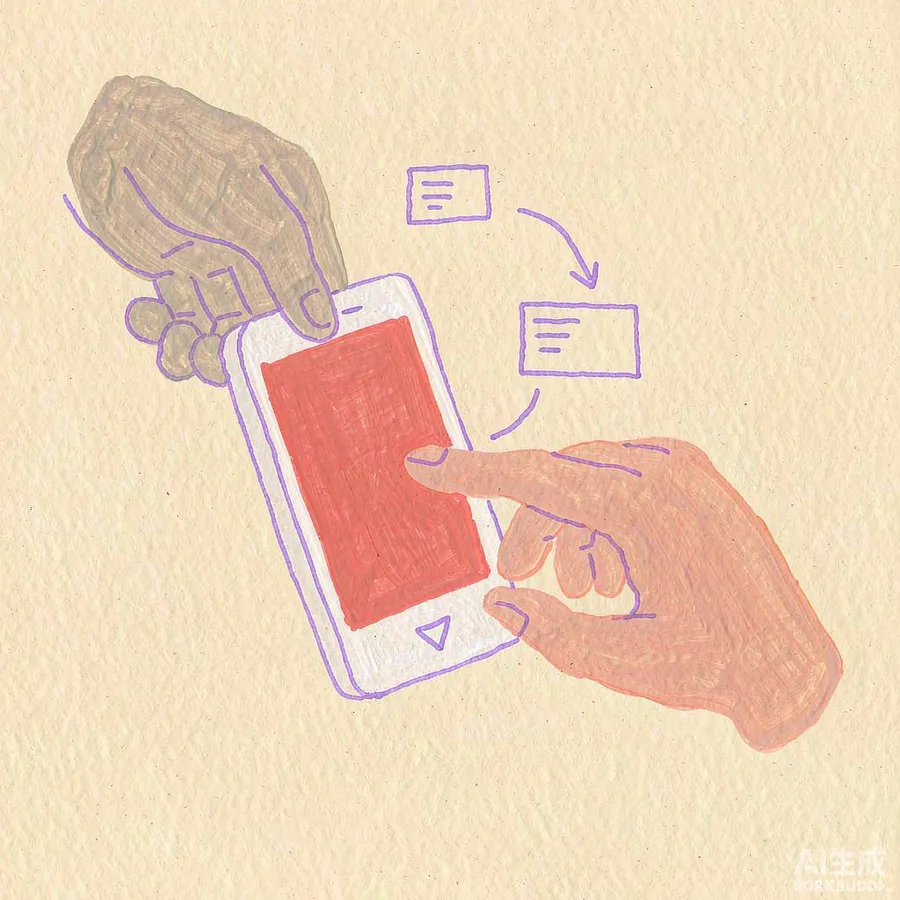
Prototype the interaction itself and watch people use it.
A testable version of the flow — screens, prompts, responses — good enough that people can try to complete something. It tests sequence and feedback, not visual design.
Time
1-2 days
Group
2-4
Output
An interaction prototype
Move
Prototype
Run sheet
How to run it
4 steps · 1-2 days
- 01
Define the interaction
- 02
Build a testable version
- 03
Observe people using it
- 04
Refine the interaction
Say this
Lines you can read out as they are — no improvising under pressure.
“What are you trying to do right now?”
“What did you expect the system to do?”
“What would you do if this failed?”
Set up
Before they walk in
- □A clickable or physical version of the flow
- □One goal per participant, not a task list
- □A way to record where they hesitate
What to watch for
Signals and traps
It is working when
- the participant invents a route you did not build
It usually fails when
- instructing them through the flow
- redesigning live
If it stalls, or the room is the wrong size
Variations
Test the failure states only
Test on a phone rather than a laptop
Test with someone who has done the task in real life
Background
Where it comes from
From Kumar's 101 Design Methods. Interaction is where a concept meets the friction of real behaviour: a sequence that reads well on a diagram often collapses when someone is trying to do two things at once.
Cautions
When it does more harm than good
- Give people a goal rather than instructions
- Watch what they do when the flow breaks
- Do not redesign during the test
When to use
Reach for it when…
The concept is a service or digital product
Flow matters
Source
Kumar, V. (2012). 101 Design Methods: A Structured Approach for Driving Innovation in Your Organization. John Wiley & Sons.
Source phase: Concept (Kumar). Steps and the run sheet are written for this library, not quoted from the source.