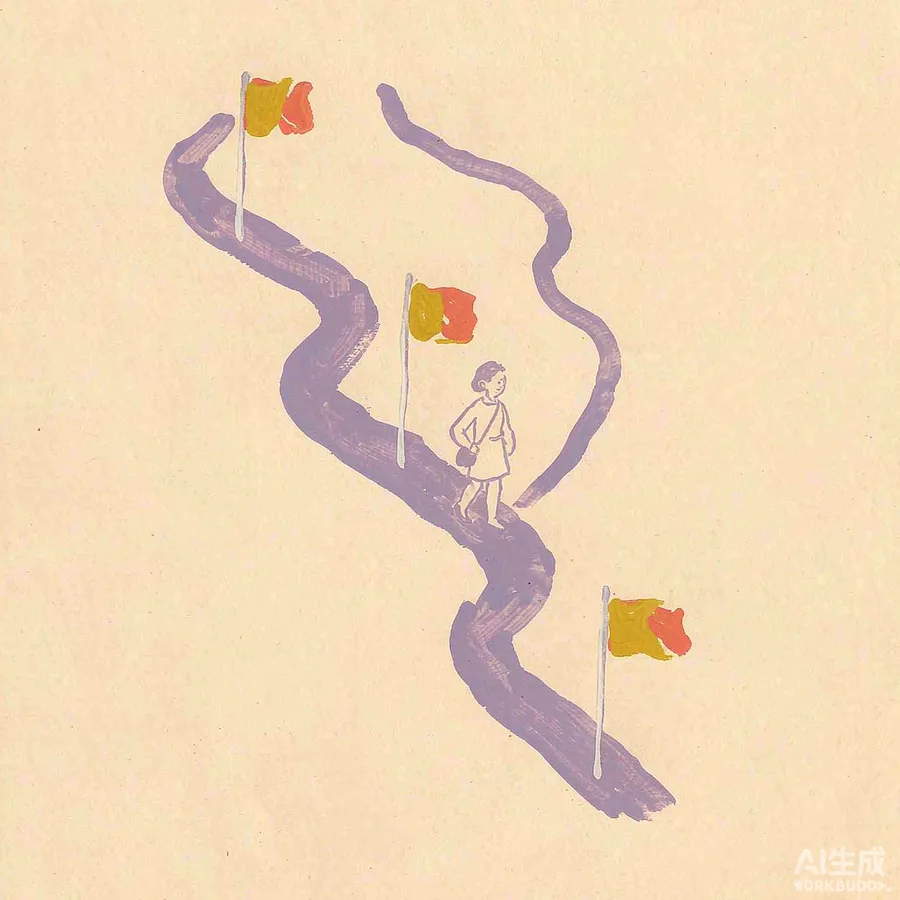
Implementation Frameworks
Choose a delivery framework that fits the context.
Choosing how the work will run — cadence, roles, artefacts — and adapting it to the team rather than adopting it whole. The framework is a container for the work, not the work.

Time
2 hours
Group
3-6
Output
A chosen implementation framework
Move
Decide
Run sheet
How to run it
4 steps · 2 hours
- 01
List the candidate frameworks
- 02
Match each to the context
- 03
Define the roles and cadence
- 04
Adapt it to the team
Say this
Lines you can read out as they are — no improvising under pressure.
“How fast does feedback actually reach us?”
“Which ceremony would we keep if nobody audited us?”
“What problem are we hiring this framework to solve?”
Set up
Before they walk in
- □Two or three candidate frameworks, one page each
- □The team's real constraints: size, distribution, regulatory cadence
- □A month of calendar to test the cadence against
What to watch for
Signals and traps
It is working when
- the team argues about cadence rather than about the brand of framework
It usually fails when
- adoption because a parent programme mandates it
- every practice kept, none adapted
If it stalls, or the room is the wrong size
Variations
Pilot two frameworks in two teams for a month
Start from the cadence and add the practices that fit
Write down what you are deliberately not adopting
Background
Where it comes from
From Kumar's 101 Design Methods, which treats implementation frameworks as a design decision. The pattern in agile adoption is consistent: the practices that survive are the ones adapted to the team's constraints, while wholesale adoption produces the rituals without the judgement.
Cautions
When it does more harm than good
- Do not adopt a framework to fix a problem it was not designed for
- Pick the cadence from how fast feedback actually arrives
- Name what you are deliberately not taking from the framework
When to use
Reach for it when…
You are moving from concept to delivery
The team is new to agile
Source
Kumar, V. (2012). 101 Design Methods: A Structured Approach for Driving Innovation in Your Organization. John Wiley & Sons.
Source phase: Concept (Kumar). Steps and the run sheet are written for this library, not quoted from the source.