Platform Plan
Plan a platform of related offerings built on shared foundations.
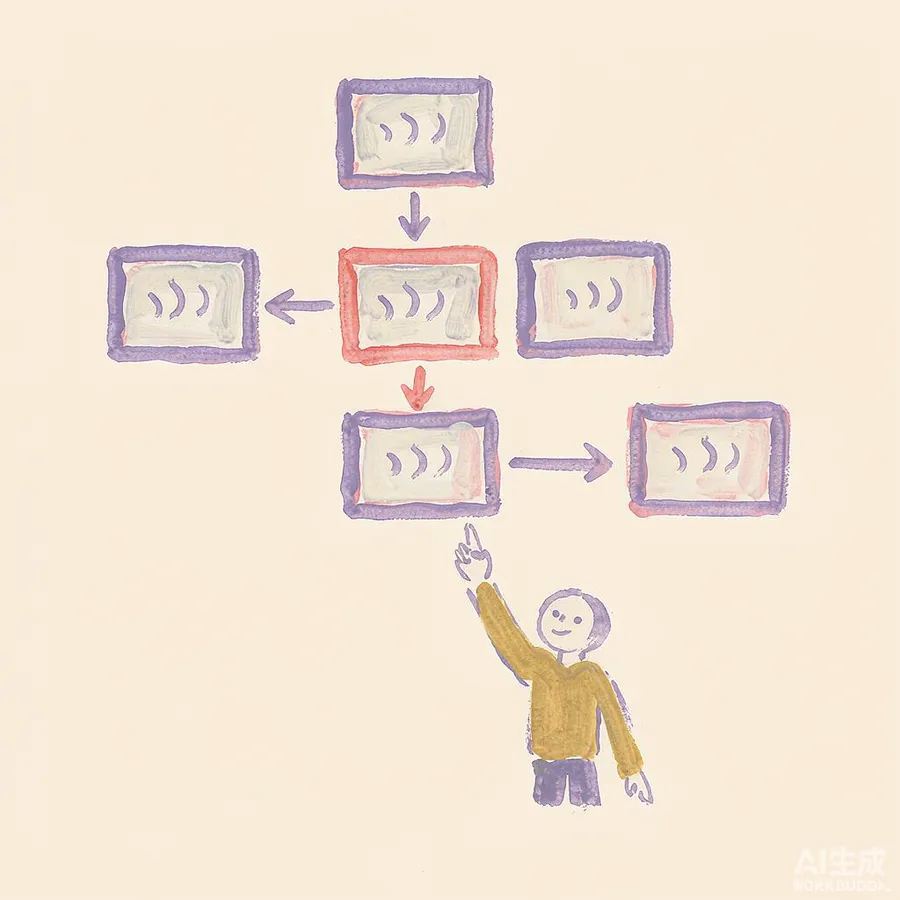
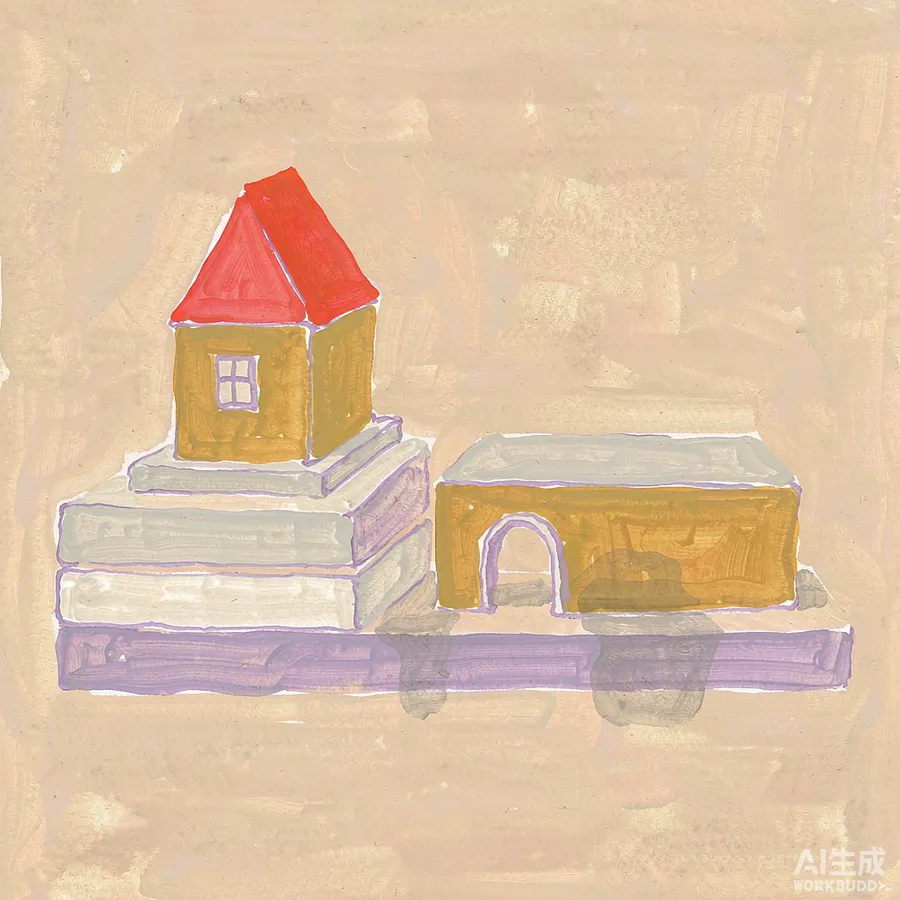
The shared foundation several products will sit on: core assets, layers, and the order in which they get released. It is the plan that decides what is built once and reused.
Time
3 hours
Group
3-6
Output
A platform plan
Move
Synthesize
Run sheet
How to run it
4 steps · 3 hours
- 01
Identify the core and the extensions
- 02
Map the shared assets
- 03
Define the platform layers
- 04
Sequence the releases
Say this
Lines you can read out as they are — no improvising under pressure.
“What would two teams build twice if we did nothing?”
“Which shared asset is hardest to change once shipped?”
“What does the first consumer need before anyone else benefits?”
Set up
Before they walk in
- □The list of products or teams that would consume the platform
- □An inventory of what is currently duplicated
- □A release timeline with the first real consumer on it
What to watch for
Signals and traps
It is working when
- the plan names something teams currently duplicate and someone objects
It usually fails when
- a platform designed before the second consumer exists
- layers named after the org chart
If it stalls, or the room is the wrong size
Variations
Draw core plus extensions only, with no layers
Start from the second consumer and work backwards
Mark which assets are candidates for buying
Background
Where it comes from
From Kumar's 101 Design Methods. Platform thinking trades duplication for coupling: every shared asset is cheaper the second time and more expensive to change afterwards, so the plan is really a decision about which parts of the business become interdependent.
Cautions
When it does more harm than good
- A platform for one product is just architecture — wait for the second consumer
- Name the core and the extensions in the vocabulary the teams already use
- If the sequencing ignores the first release, the platform arrives after the market
When to use
Reach for it when…
Several products share foundations
You are planning reuse
Source
Kumar, V. (2012). 101 Design Methods: A Structured Approach for Driving Innovation in Your Organization. John Wiley & Sons.
Source phase: Concept (Kumar). Steps and the run sheet are written for this library, not quoted from the source.